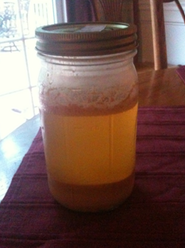
Before we outline our process (in the link below), here are a few storage and temperature guidelines as recommended by White Labs.
How long can yeast be stored? The best case scenario is to use the yeast within 1-3 days. Again, this is often not possible, especially if multiple strains are being used in the brewery. The magic number seems to be two weeks. If less than two weeks, brewers will usually have no problem reusing yeast. Over two weeks and you may or may not have problems. After four weeks, the viability of yeast slurry is usually 50% or lower.
As yeast sit in storage, they consume their glycogen reserves. Glycogen deprivation weakens their cell walls, and makes them more susceptible to rupture. Cold temperatures retard this process, but you want to avoid freezing yeast, as ice crystals will also rupture cells. The ideal storage temperatures range is between 33-38F. When yeast rupture, they release their contents into the liquid phase. Bacteria can feed off the nitrogen released, and multiply rapidly. So the yeast slurry needs to be as contamination free as possible when stored. Cold temperatures will also help retard bacterial growth.
[Read More]
2 Comments
I am a little confused with the process outlined here. What is the advantage to harvesting and refrigerating, waiting a few days, and then rinsing? Couldn't you just decant off all of your beer, add your rinse water and proceed to the rinsing step? Just seems to me like you are adding a step and waiting a few days when you could just do it all in one fell swoop after racking. Is the refrigerated harvesting to ensure less liquid/beer is pulled? Thanks in advance, Good overview!
Heya Brett,
You could try rinsing sooner but you will end up getting only the quick flocculating yeasts. Cooler temps help with this so the quality of the yeast does not degrade any further and it also speeds up flocculation. Denser liquids will drop out low flocculating yeasts more effectively.
-TK